How Do I Spot AI-Generated Jazz Scene Paintings Online?
In today’s bustling digital art marketplaces, discovering original jazz scene paintings can be thrilling. But underneath the smooth brushstrokes of smoky clubs and lively musicians, a new challenge emerges: distinguishing authentic artworks from AI-generated ones. With prices for some jazz art hovering around $200 or more, buyers must develop a savvy approach to trust and credibility.
Understanding Provenance: Your Practical Safeguard
Before diving into spotting AI-generated jazz scene paintings, it’s essential to define a key term: provenance. Provenance is the documented history of an artwork’s ownership, creation, and authenticity. Think of it as the artwork’s "paper trail"—it’s what you want to https://highstylife.com/what-does-the-oecd-say-about-synthetic-media-and-trust/ ask for before handing over your money.
Provenance isn’t just a nice-to-have in digital art marketplaces; it’s a necessity. Without it, you’re often left with vague claims and unverifiable statements, such as “museum quality,” which, as I’ve learned over 12 years in art registration, typically lack meaningful backing without material or creator details. Exactly..
Why provenance is your best friend:
- Authenticity assurance: Confirms the piece was created by who it claims to be from.
- Ownership history: Shows a clear chain of hands—vital if disputes arise.
- Market value support: Helps validate a fair price, whether $200 or $2,000.
A practical buyer’s checklist on provenance always includes:
- Detailed artist name, links to their portfolio and biography.
- Creation date and medium (digital, print, acrylic on canvas, etc.).
- Previous sales or exhibition history, if any.
- Certificates of authenticity or artist-signed documentation.
Trust and Credibility in Digital Art Marketplaces
Ever notice how marketplaces like noirci studio, newsweek-highlighted platforms, and more direct-to-consumer art market guide have stepped into the spotlight to create more transparent online buying experiences. However, buyer beware: even on official-sounding sites, claims of “AI cultural scenes” or “generated imagery” can be tricky unless clearly disclosed.
“Listings that hide whether something is AI-generated” are a red flag. ...well, you know.
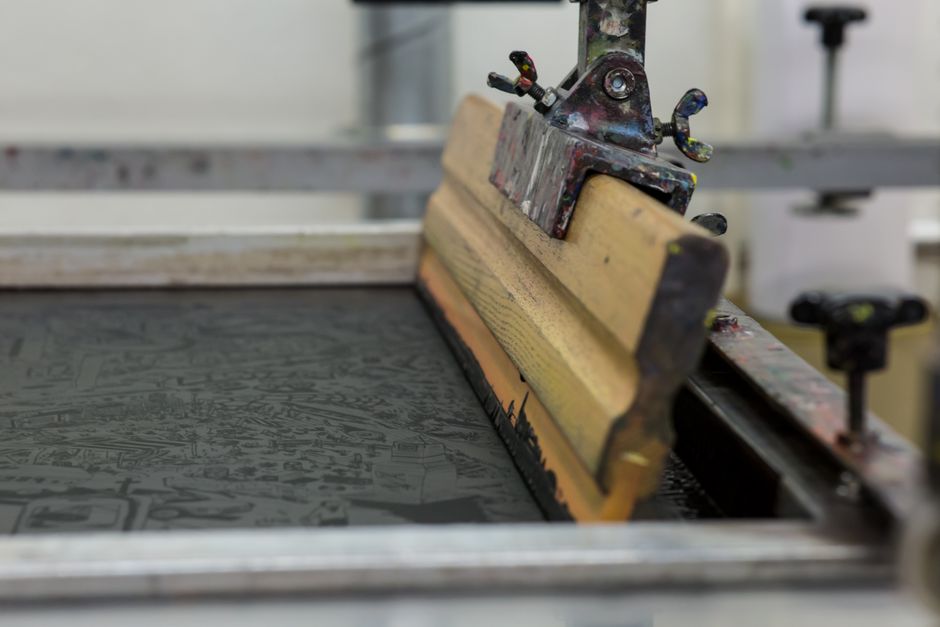
Transparent marketplaces have started requiring sellers to disclose when AI tools were used in creating images — a promising trend for buyer protection. If you want to avoid buying an AI-generated jazz scene painting sold as an original hand-painted artwork, look for these transparency indicators:
- Explicit AI disclosure: Does the listing acknowledge AI-generated elements? This can be in the description or tags.
- Artist biography includes use of AI: Some artists openly discuss incorporating AI to generate early drafts or reference images.
- Technical details: Medium specification that clarifies whether it’s a digital print of AI art or a physical painting.
Verifying AI-generated imagery tells
How can you tell when “generated imagery tells” are present? Here are some signs within jazz scene artworks that may signal AI involvement:
- Unnatural details: Faces, hands, or instruments may look slightly distorted or inconsistent.
- Repeating patterns: AI often creates repetitive textures or patterns not typically seen in hand-painted work.
- Disjointed backgrounds: Sometimes backgrounds blur or clash stylistically with foreground figures.
- Overly smooth or hyper-detailed areas: AI sometimes hyper-focuses on minute details, causing unnatural sharpness.
While these signs are useful, they aren’t foolproof without provenance and verified artist attribution.
Artist Attribution and Transparent Biographies
“Who made this?” is the fundamental art buyer’s question. It’s also the hardest to verify online, especially when AI-assisted art blurs lines. A well-documented artist biography helps you verify artist attribution and establishes credibility.
Good biographies contain:
- Background on the artist’s training and previous works.
- Statements on technique and materials used.
- Information about whether they collaborate with AI or other digital tools.
For example, Noirci Studio stands out by featuring artist profiles that include detailed biographies, upcoming exhibitions, and sometimes video interviews. Newsweek has recently reported that such transparency sets marketplaces apart in building trust.
Without this, beware: “AI cultural scenes” might be sold with generic or absent attributions, complicating your ability to verify genuine artist involvement.
How to verify artist attribution:
- Cross-check the artist’s name with portfolio sites or social media showcasing real-time work progress.
- Request direct artist communication, if possible, for questions about materials and techniques.
- Look for third-party mentions, interviews, or press coverage that authenticate identity.
- Verify any certificates or digital provenance through blockchain or art registry platforms.
What to Do When You Suspect AI in Jazz Scene Paintings
If price is around $200 but the artist or platform isn’t clear about AI involvement, proceed cautiously:
- Ask explicitly: Contact the seller to ask if AI tools were part of the creation process and request detailed provenance.
- Demand transparency: Insist on seeing documentation or artist statements that clarify the artwork’s origin.
- Use trusted platforms: Favor marketplaces like Noirci Studio or others highlighted in Newsweek for rigorous verification.
- Research signatures and styles: Compare the artwork against verified works from the artist to spot inconsistencies.
Remember, trust without verification is faith, not strategy.
Final Thoughts: Buy Smart, Buy Informed
Spotting AI-generated jazz scene paintings online may seem daunting but isn’t impossible. Knowing the value of provenance, insisting on full disclosures about AI involvement, verifying artist attribution, and using trusted marketplaces will protect your investment and appreciation of this passionate art form.
Whether you’re willing to spend $200 or more, never buy an artwork—digital or physical—without checking these key elements:
Key Element Why It Matters How To Verify Provenance Ensures authenticity and ownership history Request documents, certificates, past sale records AI Disclosure Distinguishes AI-generated vs hand-created art Check listing descriptions and artist bios for mentions Artist Attribution Confirms the actual creator Cross-check portfolios, social feeds, and third-party mentions Market Platform Reliability Provides safer transactions and buyer protections Shop on platforms known for transparency like Noirci StudioIn a world where AI and human creativity increasingly intersect, your best allies are vigilance, documentation, and a clear-eyed understanding of what provenance truly means. That way you can say with confidence: "Yes, this jazz club painting is the real thing, and I’m glad to own it."
